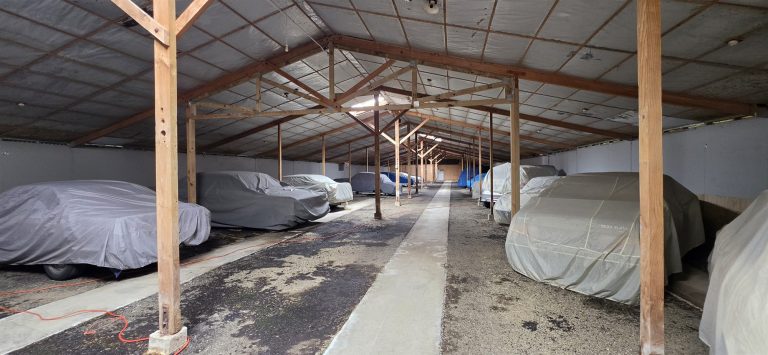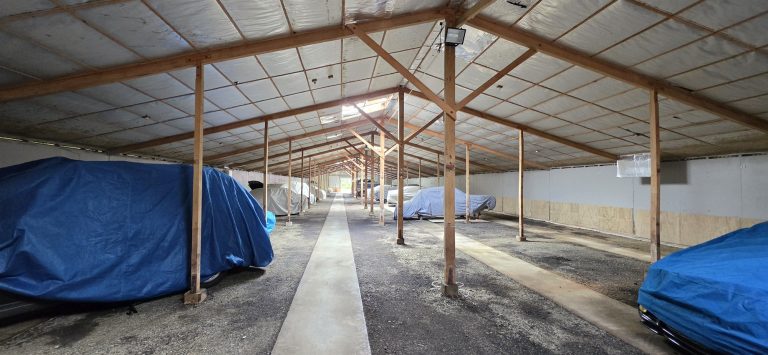
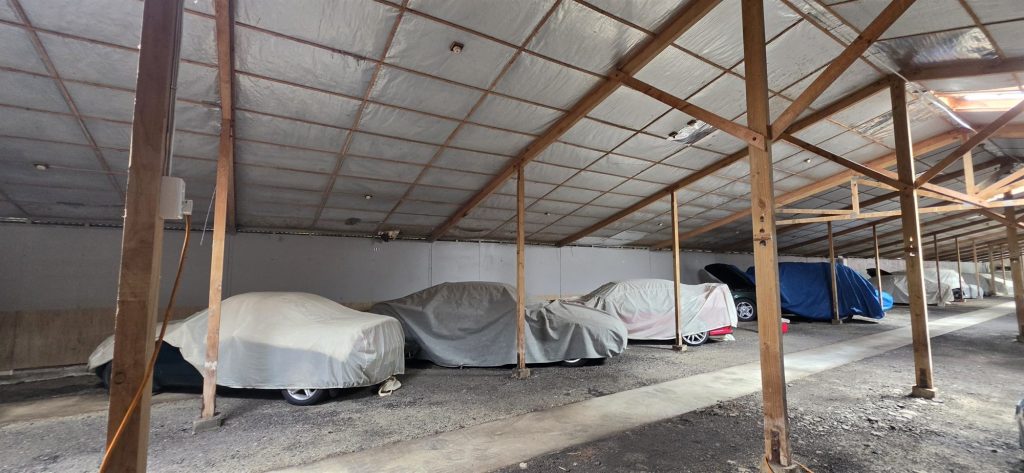
A car that sits for months doesn’t wear out the way a car you drive does, but it can still deteriorate. Batteries go flat, tyres develop flat spots, brakes stick and old fuel goes stale. A couple of hours of preparation before you drop it off means it’ll start first time and drive properly when you come back.
Here’s the checklist we give our own customers in Wellington.
1. Wash it, dry it and clean the inside
Dirt, bird droppings and road grime can eat into the paint if they’re left on for months. Give the car a proper wash and let it dry completely before it goes under a cover. A coat of wax adds an extra layer of protection.
Inside, vacuum the carpets and seats and take out everything that doesn’t belong there: rubbish, food wrappers, drink bottles, gym gear. Crumbs and food attract mice and rats, and damp items can bring on mould. Take out valuables and anything you’ll need while you’re away, too.
2. Change the oil if a service is close
Used engine oil contains moisture and acids that aren’t good for the engine when they sit for a long time. If your car is due for a service in the next few months, get the oil and filter changed before it goes into storage rather than after.
3. Fill the tank, and use a fuel stabiliser for longer stays
A full tank leaves less room for air and condensation, which helps stop moisture and rust building up in the fuel system. Petrol also goes stale over time. For anything longer than about three months, add a fuel stabiliser from your local parts store and run the engine for a few minutes so it reaches the whole system.
4. Check the tyres
Tyres slowly lose pressure, and a car that sits in one spot can develop flat spots. Pump the tyres up to the pressure on the sticker inside the driver’s door before you drop the car off. While it’s with us, we check and adjust the pressures regularly.
5. Think about the handbrake
If the handbrake is left on for months, the brakes can stick or seize, especially in damp weather. On a long stay it’s often better to leave the handbrake off and chock the wheels instead. Have a chat with us when you drop the car off and we’ll work out what suits your car.
6. Look after the battery
A battery left alone will slowly go flat, and a deeply flattened battery may never fully recover. You don’t need to do anything here: every car we store is connected to a smart battery conditioner, so it stays charged and ready to start.
7. Sort out your rego, WoF and insurance
- Rego: if the car won’t be on the road for at least three months, you can put its vehicle licence (rego) on hold with NZTA. Read our guide to putting your rego on hold.
- WoF: check when it expires. If it runs out while the car’s stored, it’ll need a new one before it goes back on the road.
- Insurance: don’t simply cancel it. Ask your insurer about cover for a car that’s laid up and not being driven. It’s often cheaper and still protects you against things like fire and theft.
8. Take photos and note the odometer
Take a few photos of the car from each side and write down the odometer reading. It only takes a minute and gives you a clear record of the condition the car was in when it went into storage.
When you come back
Give us 24 hours’ notice and we’ll have your car out, checked and waiting. Before you drive off, check the tyre pressures, look underneath for any leaks, and take it easy for the first few kilometres while the brakes clean themselves up.
Store your car with us
Long Term Car Storage is a secure, indoor car storage facility at 624 Ohariu Valley Road, Johnsonville. The owners live on site, the storage is alarmed and watched by cameras 24/7, and every car is kept under cover with its battery on charge. Indoor storage is $40 a week including GST.